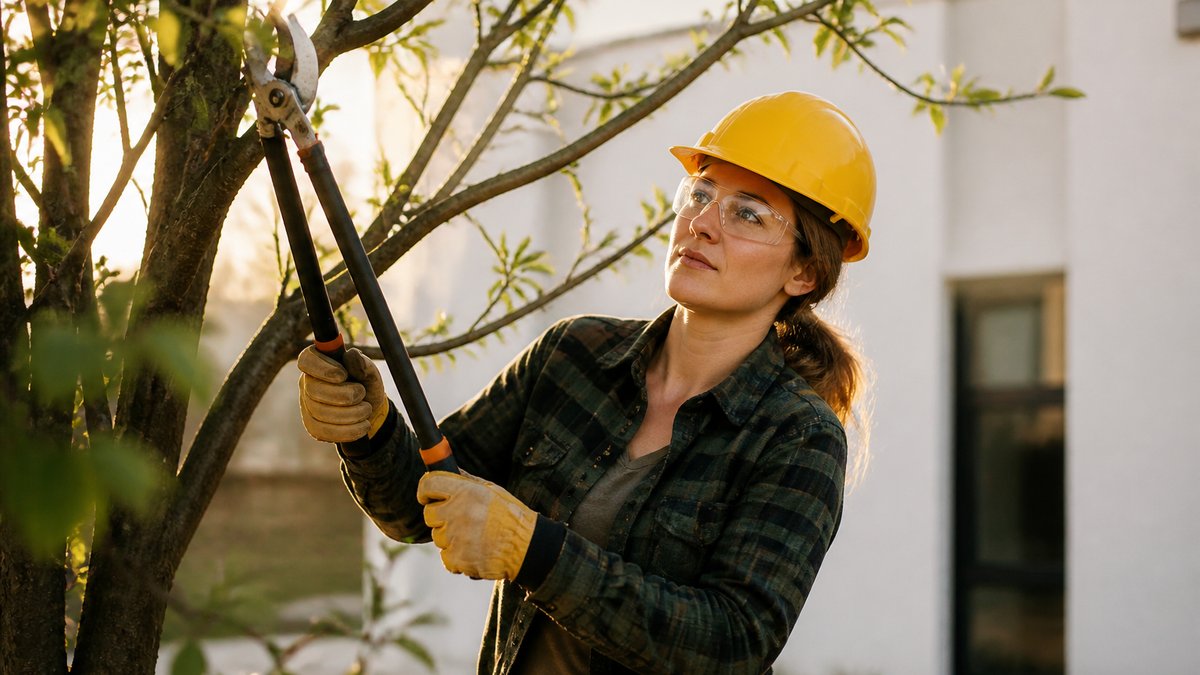
Trees enhance the landscape of homes and businesses, but they require regular care to stay healthy. Pruning and trimming are necessary tree services that help protect trees from disease while maintaining their health, beauty, and appearance. Here are a few practices to review for pruning and trimming trees, whether you handle it yourself or hire professional arborists to assist:
Prune Dead and Damaged Branches
Pruning dead or damaged branches improves a tree’s appearance and helps protect your home and nearby structures from falling limbs, especially during high winds. While homeowners should regularly look for signs of damage, removing branches is a job best handled by a qualified arborist or professional tree service. Professionals who offer tree services have the proper equipment and experience to safely remove branches, including those located high above the ground.
Watch for damaged branches that show signs of poor health, such as yellowing or dead leaves, cracks, or limited growth. Removing these limbs allows the tree to direct more nutrients toward healthy growth and reduces the risk of further damage. Cracked or weakened branches also signal underlying health problems, including insect infestations or fungal infections. A professional arborist will identify these issues and recommend appropriate treatments, such as fertilization or pest control, to help restore the tree’s health.
Reduce Overgrowth
After removing dead and damaged branches, the next step is to address overgrowth. Overcrowded branches block sunlight from reaching the ground, which often leads to bare patches in your lawn. Thinning excess branches also improves airflow throughout the tree, supporting healthy foliage and growth. Removing unwanted shoots along the trunk directs more nutrients toward the upper branches and helps maintain the tree’s natural shape. A professional arborist knows which branches to remove and how to thin the canopy without compromising the tree’s health or structure.
Shape the Tree
Removing branches that disrupt a tree’s natural shape enhances its appearance and keeps the landscape looking well-maintained. Overgrown or poorly positioned limbs often make trees look untidy and unhealthy; proper pruning highlights their natural beauty. A professional arborist knows how to shape ornamental trees without compromising their health or structure. Common ornamental trees that benefit from careful pruning and shaping include:
- Dogwood trees
- Pear trees
- Japanese maple trees
- Crabapple trees
- Evergreens
Inspect the Branches and Bark
Pruning and trimming provide an excellent opportunity to inspect a tree for signs of disease and other health concerns. Look for spots or discoloration on leaves, white coatings on foliage, and weakened branches, as these symptoms often indicate underlying problems that require professional attention. Evergreens also show signs of distress through needle loss or yellowing and browning needles that spread upward from the bottom of the tree.
Insects also threaten tree health by feeding on leaves or burrowing beneath the bark. Scale insects appear as small bumps on branches and leaves, where they feed on tree sap and leave behind a sticky residue. Ash borers create distinctive exit holes in the bark, which indicate an infestation that weakens the tree. During routine pruning, a professional arborist inspects the tree for these warning signs. They then identify potential problems and recommend the appropriate treatment before further damage occurs.
Find Professional Tree Services
If maintaining your trees is too time-consuming, hiring a professional tree service is a practical solution. Experienced tree care professionals handle routine pruning and trimming while inspecting branches, bark, and foliage for signs of disease, pest damage, or other potential health concerns. They also identify problems early and recommend appropriate treatments to prevent further damage and support healthy growth. These steps help maintain the beauty of your landscape. Contact a tree service company for an estimate today.
- Heating Repairs To Try Before Calling a Technician
- Tips for Maintaining a Lush Lawn Year-Round With Lawn Care Services
- How to Choose a Layout for Your Kitchen Remodeling Project
- The Advantages of Regular Roof Maintenance Over Emergency Repairs
- Enhancing Collaboration With Customizable Mobile Offices for Teams
Heads up: this article may contain affiliate links. If you buy through them we may earn a small commission at no extra cost to you — it never changes what we recommend. Full details in our privacy policy.


