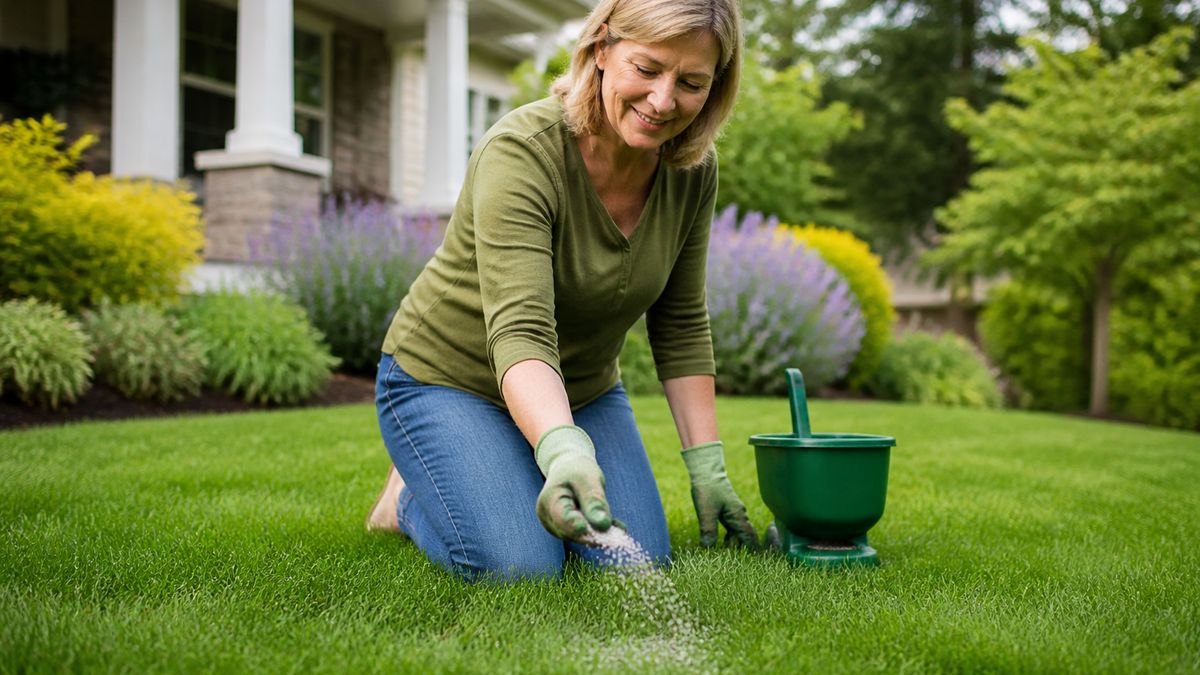
Maintaining a healthy lawn throughout the year requires regular mowing and watering. Grass responds differently to seasonal changes, soil conditions, weeds, and insect activity. A professional lawn fertilizer service supports turf growth, while specialized treatments address problems that affect its health. Here are the tips for maintaining a lush lawn with help from a professional lawn care service:
Choose Suitable Fertilizer Programs
Lawn fertilizer service programs differ in their ingredients and approach to weed control. A traditional program combines granular, mineral-based fertilizer with post-emergent weed treatments when conditions allow. This approach supports grass growth while addressing weeds as they emerge. Your lawn’s existing condition helps determine whether combined treatments suit your property.
Organic-based programs provide an alternative for lawns with poor soil structure. These programs combine organic fertilizer with traditional herbicides to add organic matter to the soil while controlling unwanted weeds. For homeowners who prefer to avoid herbicides, fertilizer-only programs are also available. Understanding the difference between these options makes it easier to choose a treatment plan that supports your lawn’s needs and aligns with your weed-control preferences.
Application frequency also affects how consistently grass receives nutrients throughout its growing season. Some lawn care service providers recommend fertilization every few weeks. Weather conditions influence treatment schedules, so applications follow the lawn’s seasonal requirements. A structured program provides grass with consistent nutrient support throughout the growing season, rather than relying on occasional applications.
Aerate Compacted Soil
Compacted soil restricts the movement of air, water, and fertilizer toward grass roots. Core aeration opens the soil to improve access to the root zone by removing small plugs of dirt. The process also helps to lower thatch and promote deep-rooted growth. Clay soil or lawns that have a high thatch content may need more attention.
Soil compaction is a likely issue when grass struggles to grow despite adequate feeding and watering. To check for compaction, push a shovel into the lawn. If inserting the blade halfway into the soil requires significant effort, further evaluation of soil compaction is needed.
Address Lawn Diseases
Maintaining a healthy lawn year-round includes recognizing signs of common turf diseases. Brown or discolored patches often indicate more than drought or inadequate fertilization. Different lawn diseases produce distinct symptoms under specific weather conditions. Dollar spot often develops during hot, humid weather; snow mold appears around freezing temperatures. Professional diagnosis helps identify the cause of turf damage and determine the appropriate treatment. Common lawn diseases include:
- Powdery mildew: Creates a white coating on grass blades, especially in shaded areas.
- Red thread: Produces circular patches with light tan or pink discoloration.
- Lawn rust: Causes yellow-orange discoloration and leaves powdery spores on shoes after walking across affected grass.
- Necrotic ring spot: Causes circular areas of damaged turf and becomes more severe during prolonged hot, dry summer conditions.
Control Surface Insects
Insect damage often appears as wilting grass or turf that detaches easily from the soil. Grubs feed on grass roots, weakening the turf and causing brown patches. In affected areas, the grass sometimes lifts like loose carpet, revealing grubs beneath the surface. Lawn care services that include targeted grub-control treatments help manage infestations and protect grass from further damage, reducing the need for extensive repairs and reseeding.
Find a Lawn Fertilizer Service
A successful lawn care program addresses more than routine fertilization. Treatments should reflect your property’s soil conditions, turf health, weed pressure, and seasonal requirements. Professional lawn care services bring these factors together to develop a consistent treatment plan that supports healthier, more resilient grass throughout the year. Seek professional lawn care guidance today to address recurring concerns and plan your future treatments.
- Heating Repairs To Try Before Calling a Technician
- Tips for Maintaining a Lush Lawn Year-Round With Lawn Care Services
- How to Choose a Layout for Your Kitchen Remodeling Project
- The Advantages of Regular Roof Maintenance Over Emergency Repairs
- Enhancing Collaboration With Customizable Mobile Offices for Teams
Heads up: this article may contain affiliate links. If you buy through them we may earn a small commission at no extra cost to you — it never changes what we recommend. Full details in our privacy policy.


